
Automation, fueled by advancements in technology and artificial intelligence, has revolutionized industries across the globe. While automation brings greater efficiency and productivity, it also raises concerns about its impact on the job market. As machines and algorithms increasingly replace human tasks, there is a growing debate about how automation affects jobs. In this article, we will explore the effects of automation on the job landscape, both the challenges it poses and the potential opportunities it presents for the future.
- The Changing Nature of Work
Automation has historically disrupted certain job sectors, particularly in manufacturing and repetitive tasks. As technology continues to evolve, its reach extends to more complex tasks once reserved for human workers. Jobs involving data analysis, customer service, and even creative fields are experiencing automation-driven changes. While this shift can lead to job displacement, it also drives the creation of new roles and opportunities.
- Job Displacement and Reskilling
One of the primary concerns with automation is job displacement. Tasks that can be easily automated are susceptible to elimination, leaving some workers unemployed. However, history has shown that automation also creates new job opportunities. To mitigate job displacement, reskilling and upskilling initiatives become crucial. Workers need to adapt to changing demands by acquiring new skills that complement automation, making them more valuable in the evolving job market.
- Improved Productivity and Economic Growth
One of the significant advantages of automation is its potential to enhance productivity. Automated processes often outperform human labor in terms of speed, accuracy, and consistency. This increased efficiency can lead to cost savings for businesses and boost overall economic growth. As companies become more competitive, they can invest in research, development, and innovation, creating further job opportunities in advanced technology and related fields.
- Human-Machine Collaboration
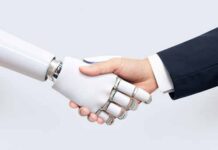
Rather than a complete replacement of human workers, automation is driving a shift towards human-machine collaboration. Machines excel at routine and repetitive tasks, while humans possess creativity, emotional intelligence, and problem-solving abilities. The future of work is likely to involve a harmonious partnership between humans and machines, with automation handling mundane tasks, freeing up human workers to focus on higher-level decision-making and innovation.
- Job Quality and Job Satisfaction
Automation has the potential to improve job quality by eliminating monotonous and physically demanding tasks, leading to a more fulfilling work experience. As routine tasks are automated, workers can concentrate on meaningful work that aligns with their skills and interests. Moreover, automation can enhance workplace safety by reducing exposure to hazardous conditions, further improving job satisfaction.
- Addressing Socioeconomic Disparities
While automation presents numerous opportunities, it also raises concerns about socioeconomic disparities. Lower-skilled workers may face higher unemployment rates due to their tasks being automated. To address this issue, governments and organizations need to invest in education and reskilling programs, ensuring that all segments of society can participate in the changing job landscape.
Final thoughts:
Automation is a transformative force that significantly impacts the job market. While it may lead to job displacement in certain sectors, it also opens up new possibilities and job opportunities in emerging industries. To harness the full potential of automation, a coordinated effort from governments, businesses, and individuals is necessary. Reskilling and upskilling initiatives must be prioritized to equip the workforce with the skills needed to thrive in an increasingly automated world. By embracing automation while addressing its challenges, society can pave the way for a future of productive, fulfilling work that benefits both individuals and the global economy.