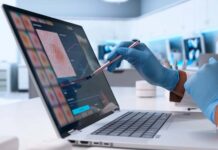


Technology is becoming a necessary component of daily life in the quickly changing 21st century, changing industries and social roles. This change is particularly noticeable in education, where the use of technology is changing the way that lessons are taught and learned. Combining digital resources with conventional teaching techniques is not only a fad; rather, it is a development that is required to satisfy the needs of contemporary society.
Personalized Learning: Catering to Individual Needs
Through the use of technology, instructors can customize learning experiences to meet the needs, interests, and learning styles of each student. By analyzing student performance data, adaptive learning systems tailor education to each learner’s pace and understanding level by assigning assignments and materials accordingly. By providing the assistance pupils need to understand difficult topics, this method guarantees mastery and retention. Learning management systems (LMS) such as Blackboard or Canvas, for example, provide the ability to monitor student progress, identify areas of difficulty, and automatically recommend more exercises or resources. This personalized attention promotes a more inclusive learning environment by assisting students in overcoming obstacles to learning and moving forward at their own pace.
Enhancing STEM Education with Accelerated Laboratories
With the use of cutting-edge technology, accelerated labs provide a novel way to improve STEM (Science, Technology, Engineering, and Mathematics) education. Students can participate in dynamic, hands-on experiments and simulations that mimic actual scientific processes in these laboratories. Students can do experiments that would be too risky, costly, or impracticable in a regular classroom environment by using virtual and augmented reality equipment. Biology students can study anatomical structures, for instance, without the ethical dilemmas and restrictions associated with utilizing actual specimens, thanks to virtual dissection laboratories. Similarly, students studying physics can visualize difficult ideas like electromagnetism or quantum mechanics using simulation software, which allows them to study these subjects more deeply via interactive models.
Global Connectivity: Expanding Educational Horizons
Technology-enabled global connectedness has transformed education by dismantling national boundaries and encouraging intercultural cooperation. Via the exchange of ideas, resources, and experiences, educators and students can interact with colleagues and professionals globally via online platforms. By extending students’ horizons and cultivating a more profound comprehension of many cultures and global concerns, this international engagement enhances the educational process. Through virtual exchange programs, for example, students can collaborate on projects with classmates from other countries, fostering cross-cultural learning and the exchange of ideas. Students can gain insights and information beyond their local surroundings via real-time conversation with professionals from a variety of industries using video conferencing technologies like Zoom or Microsoft Teams.
Enhancing Teacher Efficiency and Effectiveness
By offering cutting-edge teaching tools and automating administrative work, technology greatly improves the productivity and effectiveness of teachers. Teachers can free up critical time to concentrate on teaching and student engagement by using digital technologies to automate grading, attendance monitoring, and communication. For example, automated grading tools can evaluate assignments quickly and provide thorough feedback, giving instructors the ability to track their student’s progress and pinpoint areas that they want to work on. Furthermore, a wealth of educational tools that complement various teaching philosophies are made possible by technology. Lessons can be made more accessible and interesting by including multimedia presentations, instructional applications, and interactive whiteboards that accommodate different learning styles.
Fostering Digital Literacy and Future-Ready Skills
Fostering digital literacy and giving pupils skills that will prepare them for the future depends on the integration of technology into the classroom. Being tech-savvy is crucial for success in both the personal and professional spheres in an increasingly digital environment. Teachers can assist students in developing essential skills like problem-solving, critical thinking, and cooperation by integrating digital tools and resources into the curriculum. For instance, teaching pupils the foundations of programming via coding courses improves their capacity for logical thought and problem-solving. Students work together to produce multimedia presentations or movies as part of digital storytelling projects that blend technical expertise with creativity. Furthermore, students who are exposed to digital tools such as databases, spreadsheets, and graphic design software are better prepared for a variety of employment options in the digital economy.
Conclusion
The use of technology in education has fundamentally changed how teaching and learning are conducted rather than just being improved upon. Technology plays a critical role in educating students for the future, from better STEM education and digital marketing abilities to personalized learning and worldwide networking.