

Many classic aircraft were air-cooled as airflow is naturally abundant while flying in the sky. However, just exposing the engine to outside air wasn’t the most efficient way of capturing and funneling its cooling potential to specific areas. That’s why engineers outfit aircraft with metal fins to direct and focus air to increasingly hot engine locations.
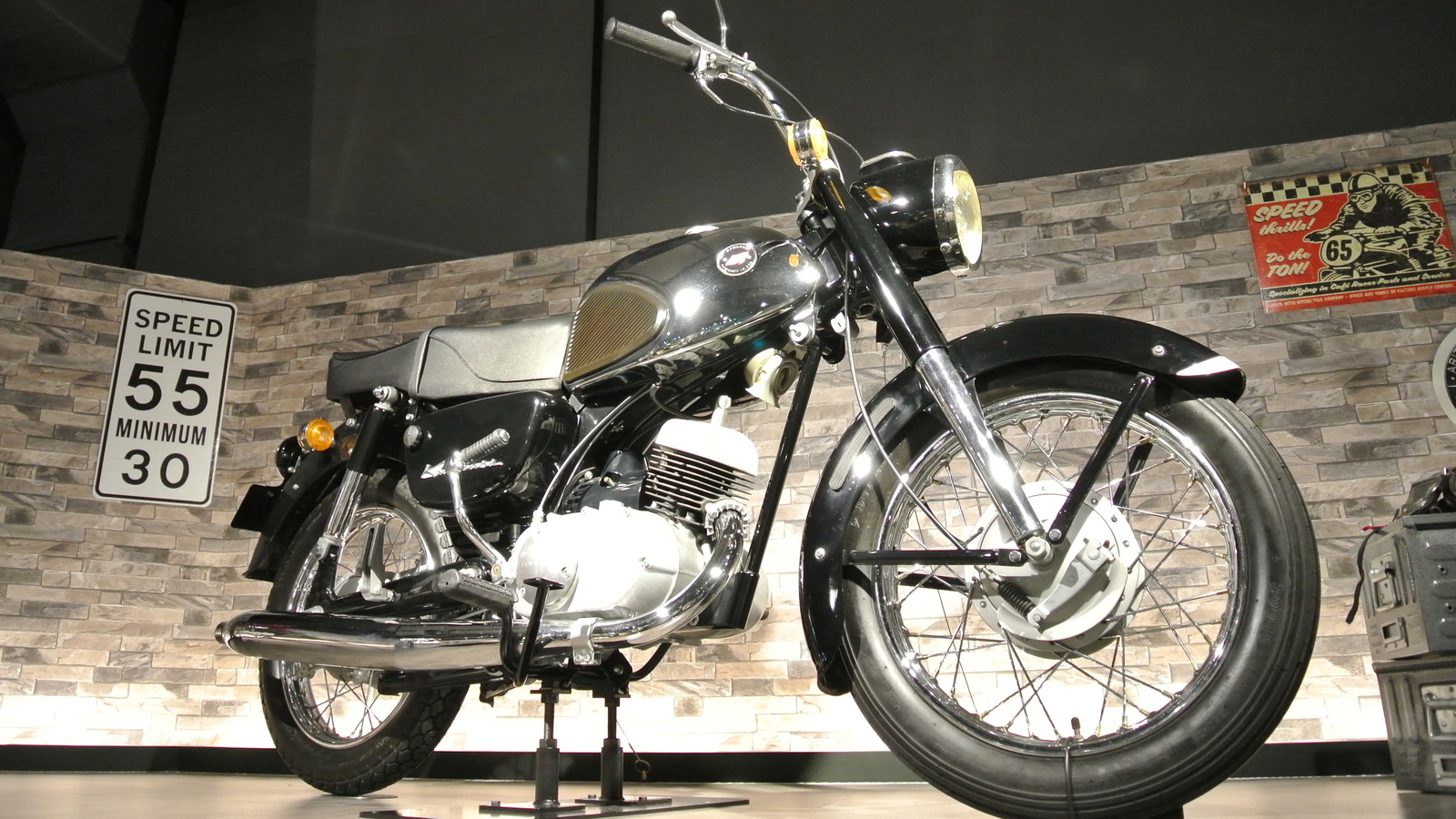
In 1949, Kawasaki engineers got to work creating the engine for the brand’s first motorcycle, the B8. This engine also utilized air-cooling technology, but some adjustments needed to happen before adapting this type of engine to a two-wheeled ground vehicle. For aircraft, which can travel at hundreds of miles per hour, engineers could place more fins on the engine and locate them closer together to increase cooling. The force of air was great enough at high speeds to force air through the narrow fins, cooling the engine.
However, Kawasaki’s air-cooled motorcycle couldn’t manage such speeds. Instead, for such a vehicle, it was necessary for the gap between fins to be at least a quarter of an inch apart to absorb heat and direct airflow effectively. In addition, since motorcycles may only use high levels of throttle for brief periods (unlike an aircraft), it’s necessary for quite a bit of metal to be incorporated in the engine for greater heat absorption.